A plush toy can have a good pattern, a cute face, and clean embroidery — and still look cheap.
Why?
Because in plush manufacturing, fabric is not decoration. It is one of the main drivers of perceived quality. Industry material guides note that fabric choice affects how a plush toy looks, feels, wears over time, and how suitable it is for different age groups. When the fabric is wrong, the toy may look flat, too shiny, too thin, too fuzzy, or simply out of sync with its intended price point.
For overseas B2B buyers and product managers, this matters even more in bulk production. The wrong fabric does not just make a toy look cheaper. It also increases variation across batches, weakens shelf appeal, complicates sampling, and may create extra compliance or QC work depending on the market.
1) “Cheap-looking” usually starts with a mismatch between pile profile and product positioning
Not all plush fabrics create the same visual effect.
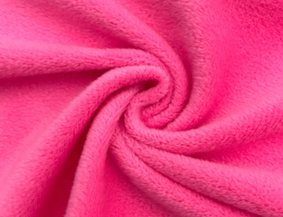
Short-pile velboa is widely used because it is stable, easy to cut and sew, cost-effective, and good at preserving crisp facial details and branded shapes in large-scale production. Typical supplier guidance places it around a 1–3 mm pile and positions it as a strong choice for mascots, logo-driven characters, and scalable retail or promotional lines. But those same guides also warn that velboa may not create a true “luxury” look for premium plush collections.
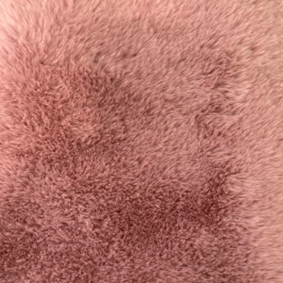
That is the first big buying mistake: using a fabric that is technically efficient, but visually underpowered for the target product tier. A fabric that works perfectly for a cost-sensitive mascot can make a premium gift plush look flat and entry-level. On the other end, long-pile faux fur adds volume, realism, and a richer shelf presence, but it also creates a very different manufacturing burden. Supplier guides commonly place high-pile faux fur in the premium or collector category because it needs directional nap control, seam management, and more careful shedding control.
2) Density, backing, and recovery decide whether the toy feels full or flimsy
When buyers say a plush toy “looks cheap,” they are often reacting to more than color or softness. They are reacting to surface fullness.
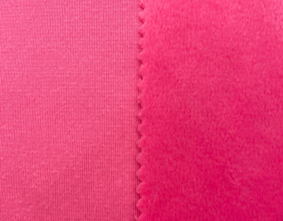
Quality-focused plush fabric guides recommend checking fiber density, weight, and backing construction because denser fabrics tend to feel richer and more durable, while a stronger backing helps the toy resist deformation and seam distortion during squeezing, hugging, and repeated handling. In practical terms, thin-looking pile, weak backing, and poor recovery make a toy feel underfilled even when the stuffing is fine.
This is why a seemingly soft swatch can still fail in real production. If the base is unstable, the plush body may lose shape, the seams may look stressed, and the toy may arrive after shipping looking flatter than expected. That is not just a visual issue — it becomes a perceived-value issue.
3) Color, sheen, and pile direction can make the same toy look premium or low-end
A lot of buyers underestimate how much light behavior changes perceived value.
Premium plush surfaces usually show more uniform pile, cleaner dyeing, lower unwanted shedding, and better color consistency. Plush fabric QC guides recommend checking for even dyeing, color transfer, fade resistance, and pilling resistance because blotchy color, surface fuzzing, or rapid fading quickly reduce product appeal.
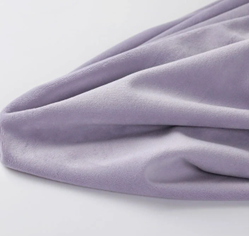
There is also a more subtle issue: some fabrics reflect light differently. One B2B fabric guide points out that minky’s directional pile can look lighter or darker depending on brush direction and lighting, while velour’s matte finish absorbs light more evenly and can help with more stable Pantone presentation for corporate mascots. That means fabric choice affects not only touch, but also how accurate, premium, and “camera-ready” the toy looks in e-commerce photos and buyer presentations.
4) The smart fabric map for B2B plush development
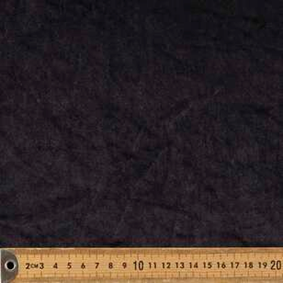
Velboa: best when you need clean details, stable production, and cost control
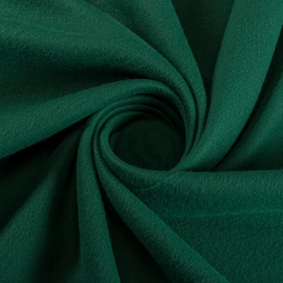
Velboa is the workhorse fabric for many plush projects. It is especially effective when you need sharp embroidery, clear facial features, reliable color reproduction, and better production consistency across large runs. It is a practical choice for promotional plush, mascots, and standard retail characters. But if the product goal is “premium gift” or “high-emotion collectible,” velboa alone may not deliver enough depth or richness.
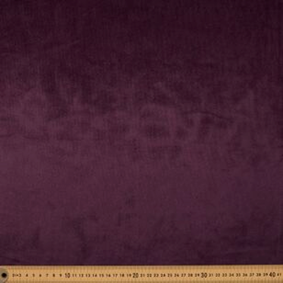
Minky: the safer starting point for mainstream retail and softer premium positioning
Minky is commonly described in supplier guides as a dense short-pile polyester plush, often around 1–5 mm. It is widely treated as the default option for custom plush because it combines a soft hand feel, low shedding, high washability, and good print performance. In B2B terms, that makes it a lower-risk starting point for mainstream retail plush, baby/basic plush concepts, and character products that need a smoother, more premium surface than economy velboa.
Faux fur: best for lifelike animals, collector SKUs, and higher visual drama
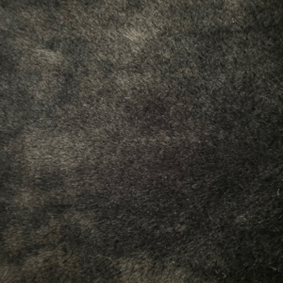
If your product strategy depends on realism, dramatic silhouette, or strong shelf impact, faux fur is often the right visual move. Supplier guides place short faux fur in teddy and premium plush ranges, and long faux fur in lifelike or collector-oriented products. But faux fur also raises labor cost, nap-direction management, seam cleanup, and maintenance concerns. It should be chosen when the added perceived value justifies the added manufacturing complexity.
Fleece and coral fleece: useful for cozy, budget-friendly lines
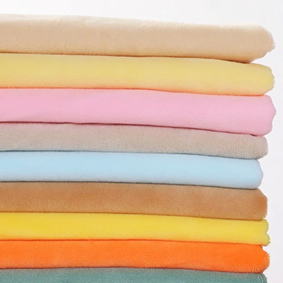
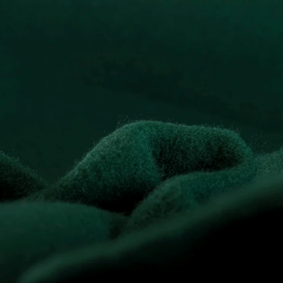
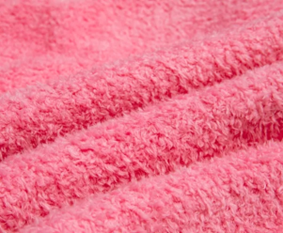
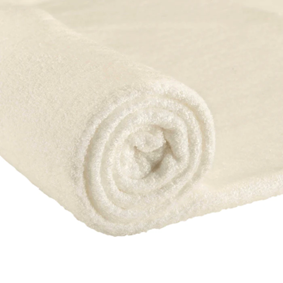
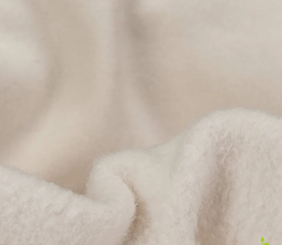
Comparative plush guides position microfleece and coral fleece as softer, cozy, budget-friendly options, especially for apparel-style plush, seasonal plush, and comfort-led lines. They can work well when the brand tone is casual and cozy. But if overused on a premium animal plush, they may read more like blanket material than a refined toy surface.
Sherpa, chenille, and terry: strong as accents, risky if overused without testing
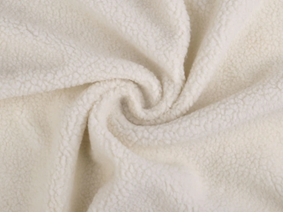
Sherpa, chenille, and terry introduce texture and tactile contrast. They can be excellent for bellies, ears, trims, and sensory details. But looped or curly surfaces require more caution around snag resistance, secure construction, and use-case fit. They tend to work better as controlled accents than as a default fabric for every plush project.
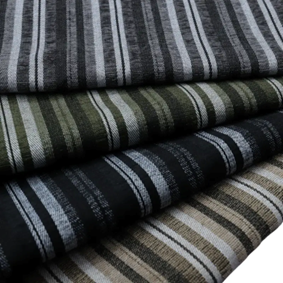
5) Fabric choice is also a market-access decision
For exporters, the fabric conversation should never stop at softness or cost.
United States
In the US, the toy safety standard refers to the version of ASTM F963 incorporated into federal regulation. CPSC states that for ASTM F963-23, the effective date is April 20, 2024, and toys designed primarily for children 12 and under require third-party testing and certification. The same CPSC guidance specifically lists stuffing materials and stuffed and beanbag-type toys among sections that may require testing, and says applicable sections must be covered by a Children’s Product Certificate. CPSC also requires tracking information to be ascertainable from permanent marks on the product and packaging, including manufacturer/importer identity, production date/location, and batch information.
European Union
The EU’s toy safety framework covers general and specific risks including mechanical/physical, flammability, chemical, electrical, hygiene, and radioactivity risks, and toys must meet the relevant safety criteria before they can be marketed in the EU. The European Commission also notes that the new Toy Safety Regulation entered into force on 1 January 2026, tightening chemical protection and improving enforcement and product transparency. In practice, that means vague material language and weak textile documentation are becoming harder to justify.
Australia
Australia’s mandatory standard for toys up to and including 36 months explicitly includes stuffed, plush and flocked animals and figures. The ACCC says the standard covers design, construction, and testing, and allows suppliers to comply through certain sections of ASTM F963-17, EN 71-1, or ISO 8124-1, depending on the product. If you are developing plush for toddlers, fabric selection should be considered alongside the toy’s mechanical design from the start.
Korea
Korea uses the compulsory KC mark system for products covered by law, and official certification pages identify toys as one of the regulated children’s product categories subject to safety confirmation procedures. That means buyers targeting Korea should treat material selection and documentation as part of the certification path, not as an afterthought.
Japan
Japan is becoming more important for plush brands, but it is not a market where fabric language can stay loose. JETRO’s import guidance highlights special caution for infant toys, notes Food Sanitation Act controls for toys that may come into contact with the mouth, and states that from December 2025 infant toys for children under 3 are regulated as specified children’s products requiring compliance with technical and age standards plus a national PS mark. Separately, the Japan Toy Association’s ST standard applies to toys intended for use by children under 14 and explicitly covers reasonably foreseeable normal use and abuse.
6) What buyers should ask for before approving plush fabric swatches
Before approving a swatch, ask for more than “super soft plush.”
A better RFQ or material requirement list should include:
1. Exact fabric name and composition
Ask whether it is minky, velboa, faux fur, microfleece, sherpa, or another plush subtype — and specify fiber composition rather than using broad words like “soft plush.” Plush guides emphasize that labels like “plush” are too broad on their own because pile height, backing, and sew behavior vary significantly.
2. Pile length and GSM
These are two of the fastest ways to predict how rich or flat the toy will look. Fabric comparison guides commonly match pile range and GSM to best-use cases, from low-pile baby/basic plush to high-pile collector plush.
3. Backing type and stretch recovery
Inspect the reverse side. A weak base may distort, sag, or tear more easily under use. Quality guides explicitly recommend backing inspection and stretch-recovery checks for plush development.
4. Shedding, pilling, and abrasion data
Hand feel is not enough. ASTM publishes standardized methods for abrasion resistance of textile fabrics, including D4966 for Martindale abrasion testing and D3512 for pilling resistance. If your supplier cannot provide this data or an equivalent quality protocol, your bulk risk goes up.
5. Wash and colorfastness checks
AATCC maintains standardized textile test methods, and TM61 is used for accelerated laundering colorfastness evaluation. For plush, this matters because uneven dyeing, crocking, fading, or surface change will immediately lower perceived quality after use or cleaning.
6. Chemical-safety support for textile components
If your brand wants a stronger textile-safety story, OEKO-TEX STANDARD 100 is useful because it covers the finished textile article and its components — every thread, button, and accessory — against a list of over 1,000 harmful substances, with the strictest class for babies and children up to 3 years.
7. Market-specific documents, not generic “passed test” claims
For US, EU, Australia, Korea, or Japan, the proof you need is different. Ask the supplier to align fabric and toy documentation with the destination market, target age group, and product structure. Generic safety language is not enough for serious B2B development.
Conclusion
If a plush toy looks cheap, do not first blame the sewing line.
Look at the fabric requirements.
In most cases, the perceived downgrade started earlier: the pile was too short for the concept, too thin for the price point, too unstable for the shape, too shiny for the brand tone, or simply mismatched to the market and age group. The best plush buyers do not ask only, “Is this soft?” They ask, “Does this fabric support the product positioning, bulk consistency, and compliance path we actually need?”