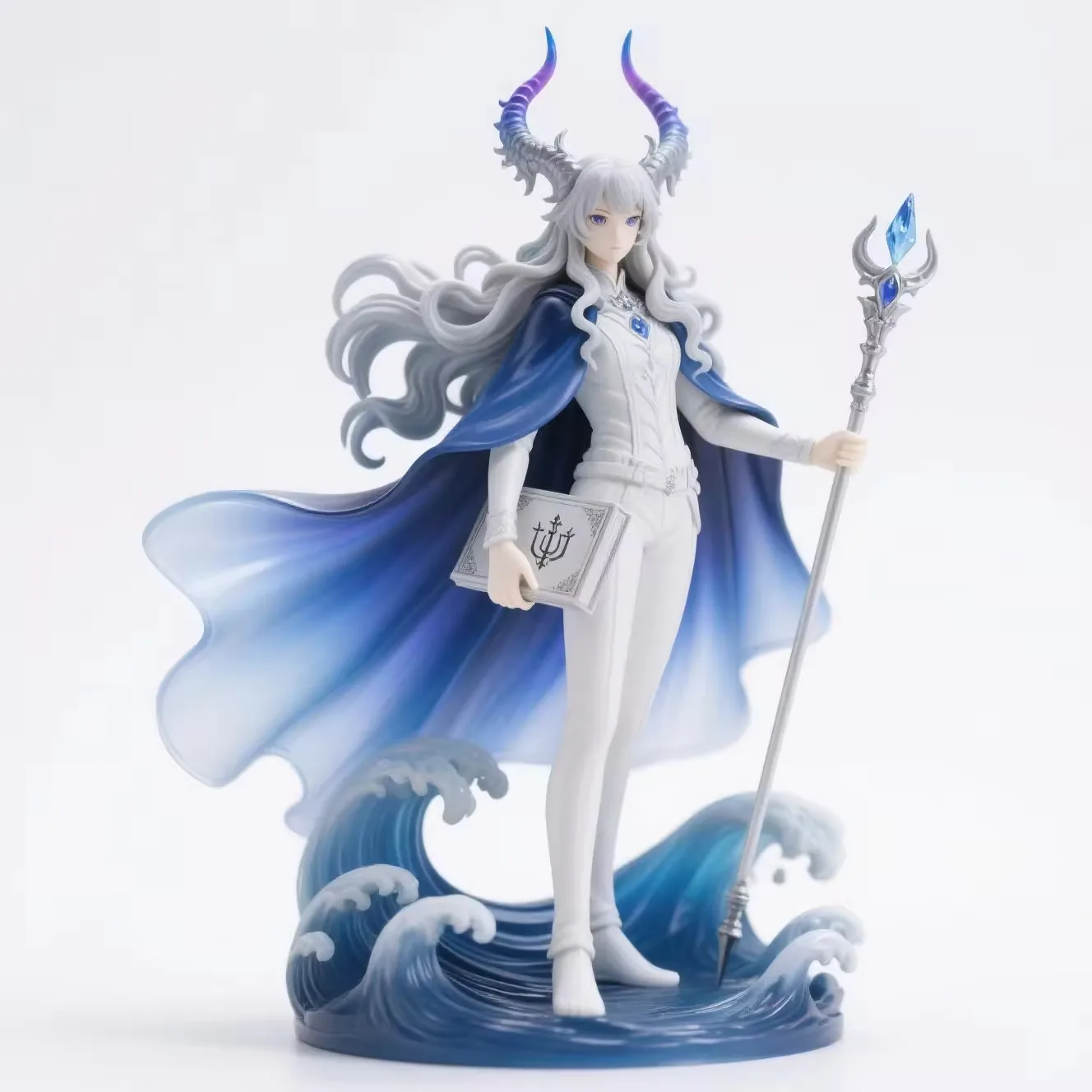
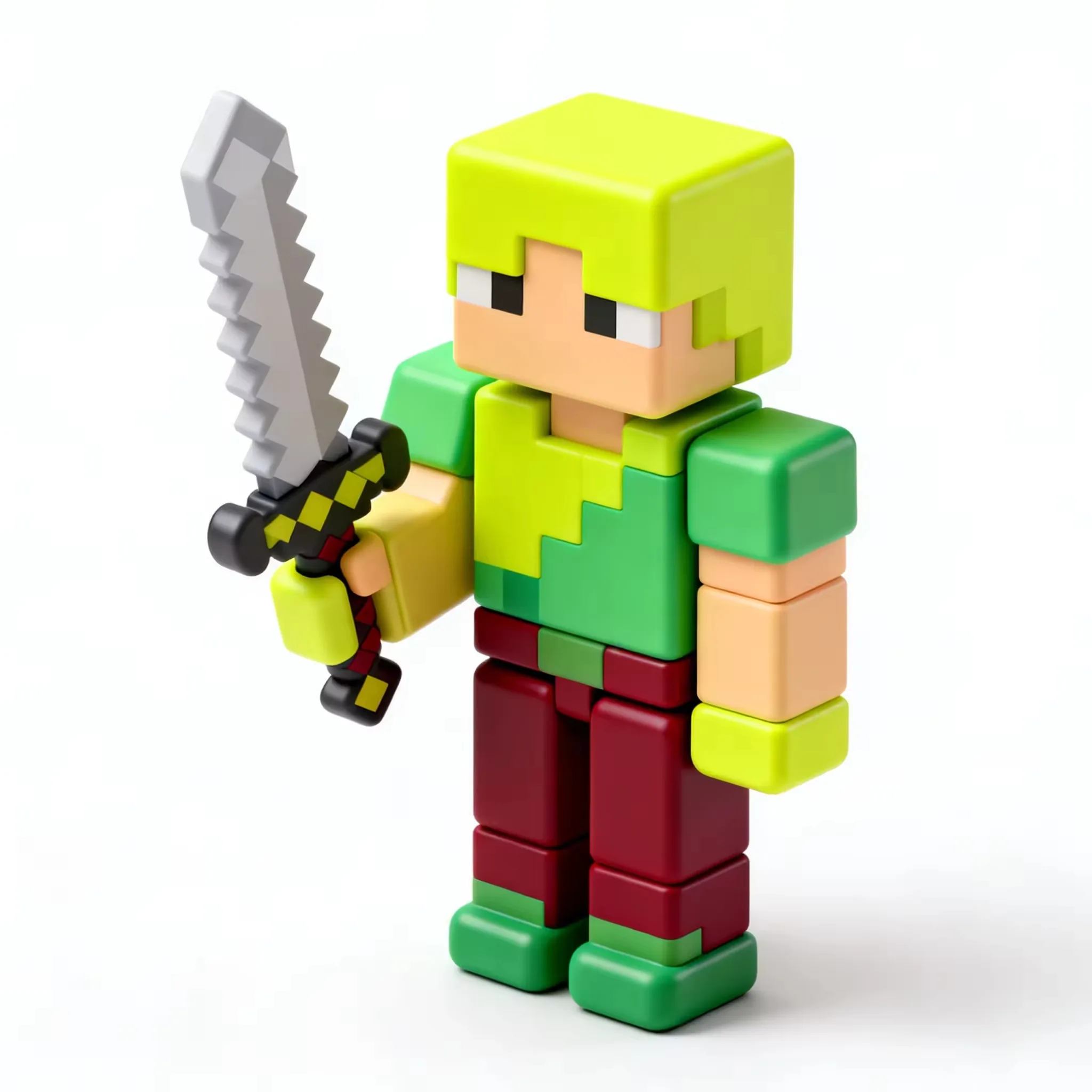
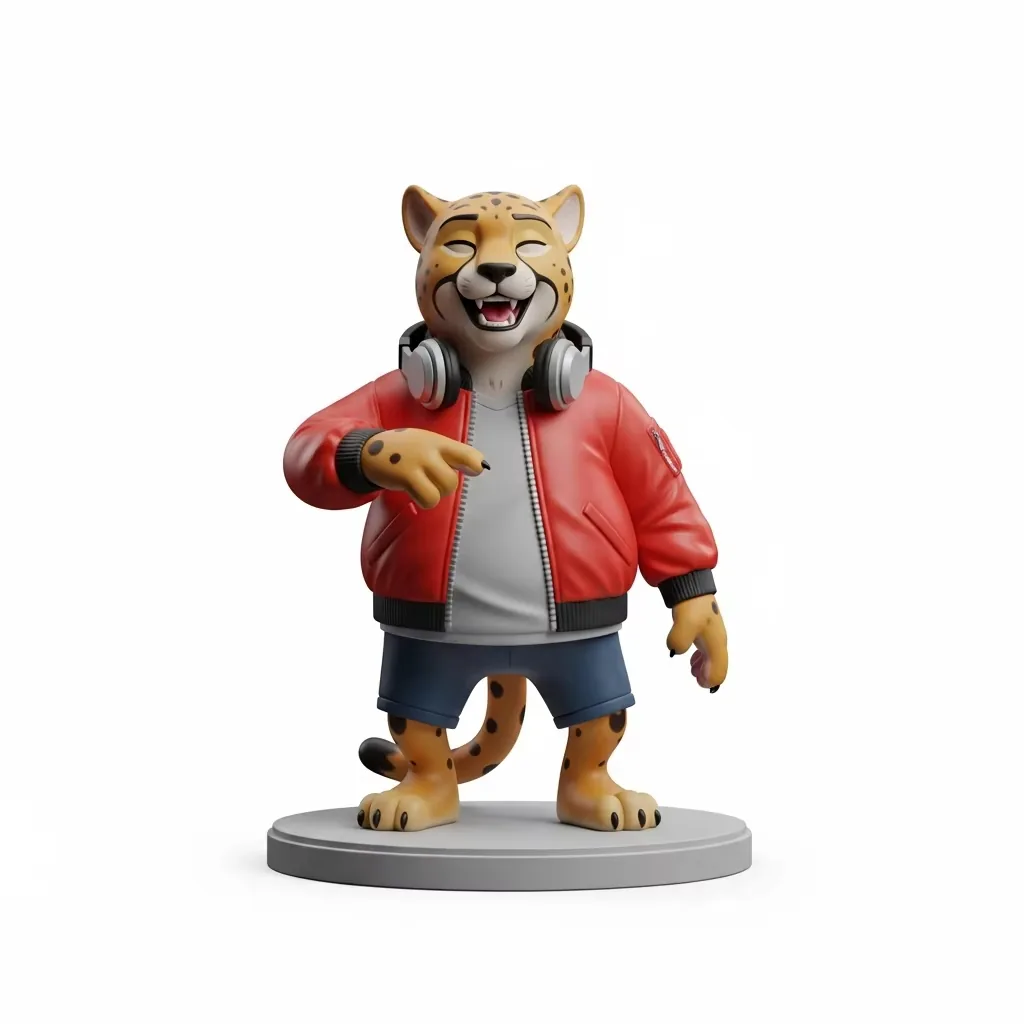
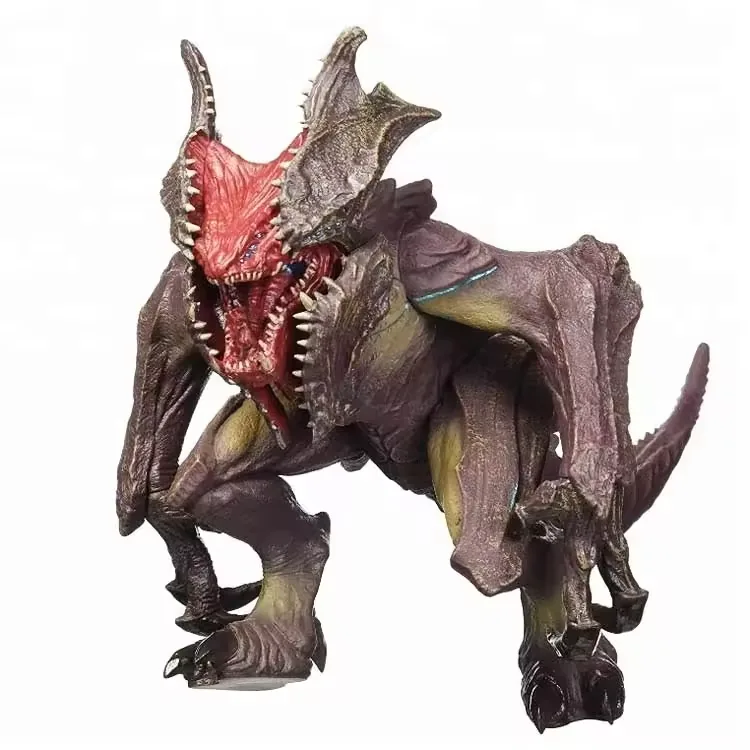
A custom make your own action figure program only works when the first image set already answers the buyer's questions about silhouette, part count, and pack-out size. This hooded PVC action figure does that well. The figure combines a dark armored body, layered cape, lightning emblem, and display base in five approval angles that help merch teams discuss finish level, tooling split, and custom box direction before sampling begins.
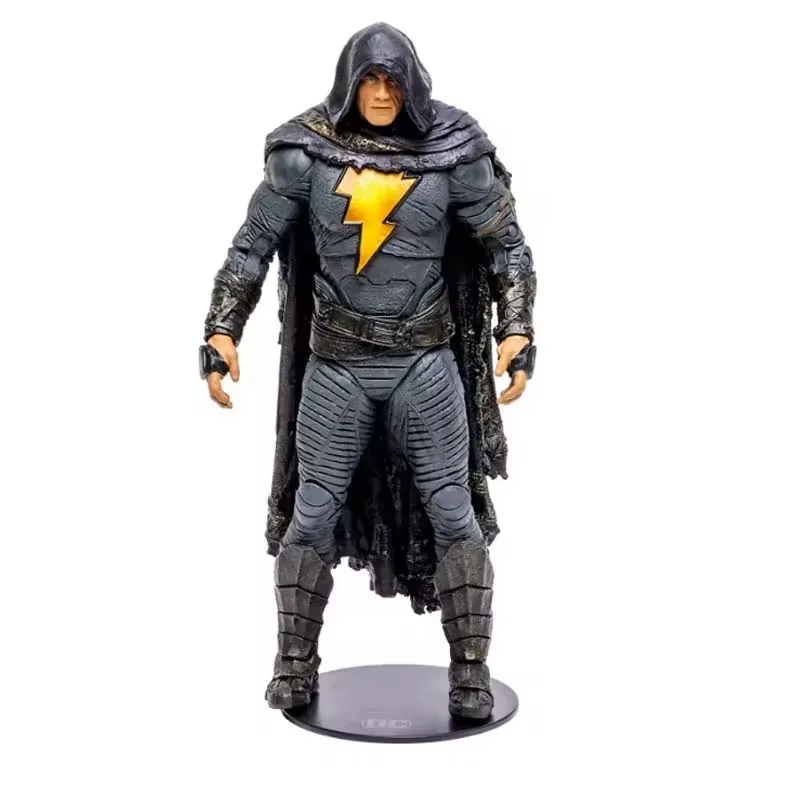
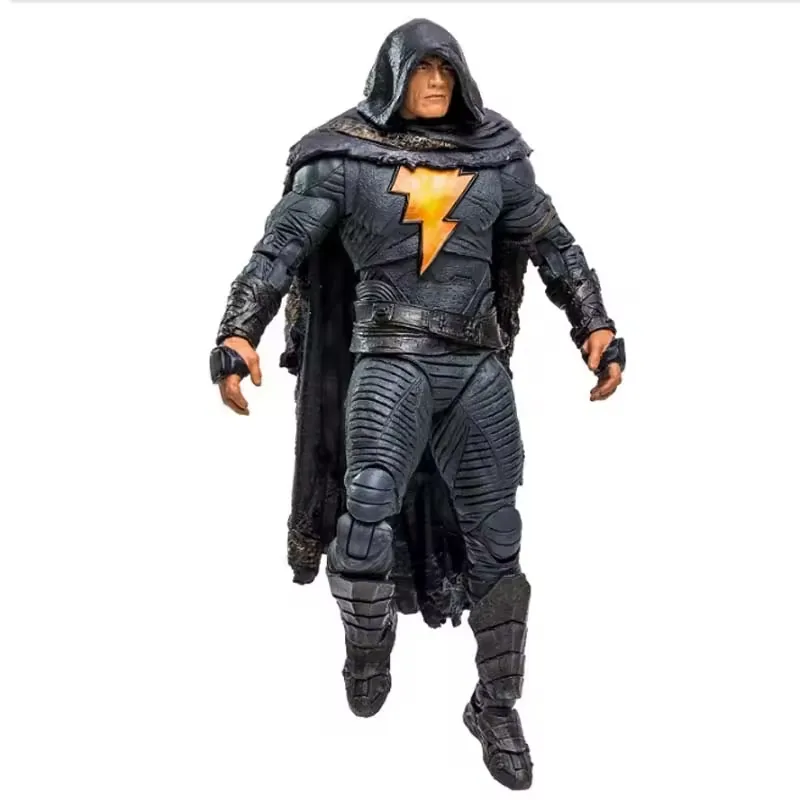
1. Front and dynamic views give the action figure a clear hero SKU before tooling starts
Buyers rarely approve a custom action figure from one angle alone. They need to see whether the chest emblem reads cleanly, whether the hood feels balanced, and whether the figure still looks premium when it turns. Teams can start that discussion on the custom PVC figurines page, then compare hero-pose planning with the OEM vinyl explorer action figure article to decide how much realism, stylization, and boxed presentation the final SKU should carry.
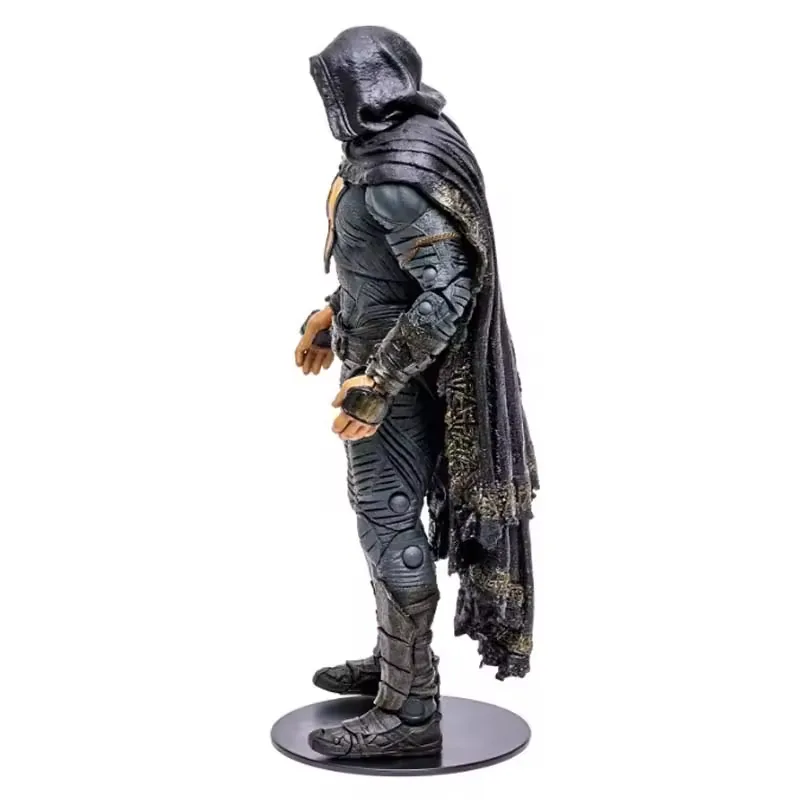
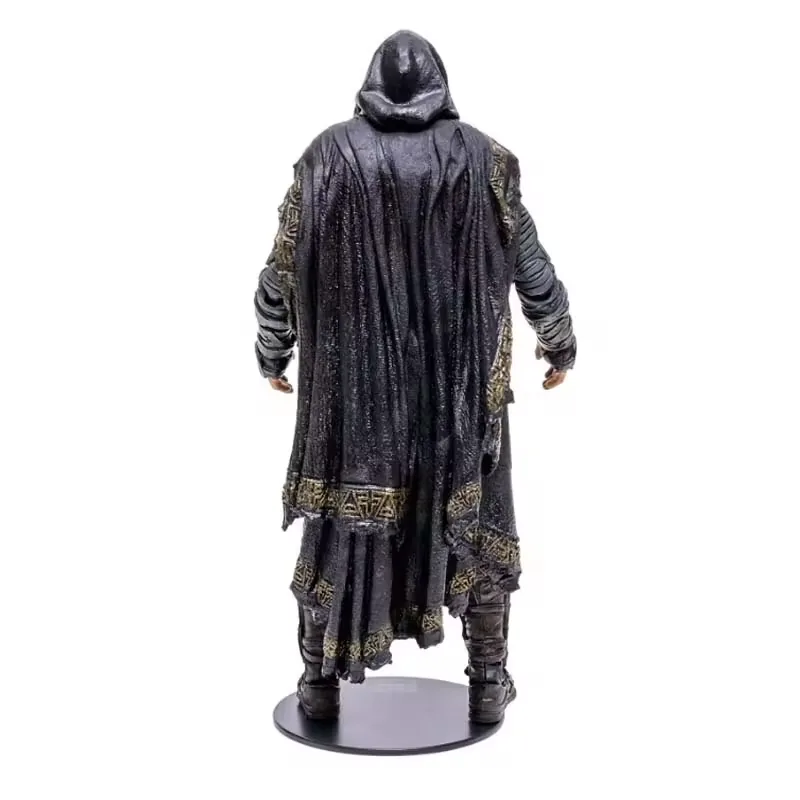
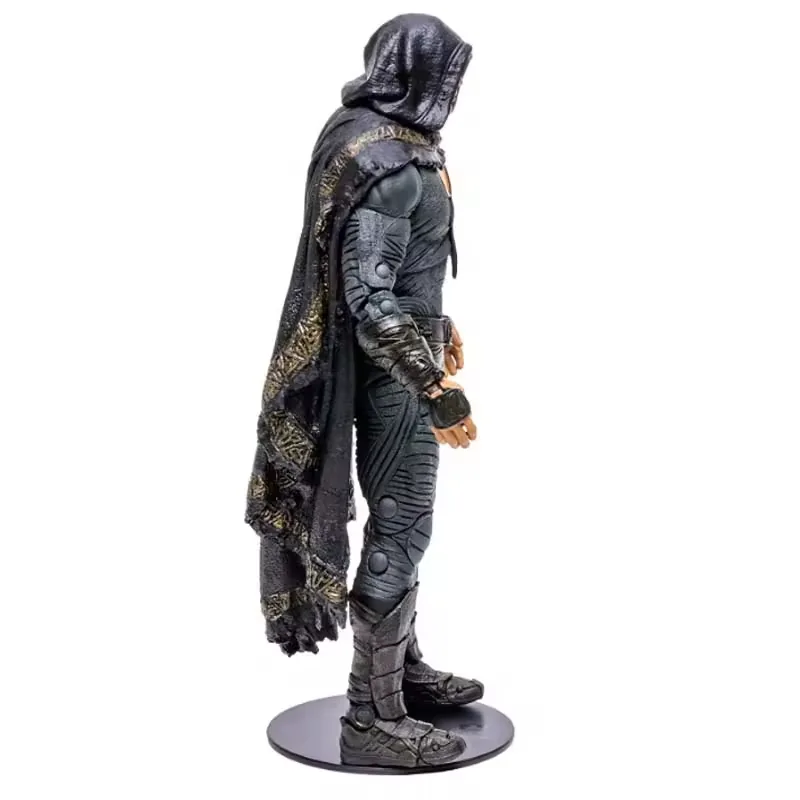
2. Side and back approvals show where sculpt complexity will affect tooling, paint masks, and finish level
The strongest value signal in this figure is not only the lightning emblem. It is the combination of layered cape folds, segmented armor, wrist guards, and a stable round base that keeps the stance readable. Once those surfaces are reviewed from the side and back, buyers can decide which textures should stay sharp for a collector route and which details can be simplified to protect budget and delivery timing.
| Review focus | Why it matters | Lock early |
|---|---|---|
| Front and dynamic hero angles | Set the headline SKU, thumbnail direction, and collector appeal for the launch. | Chest emblem size, hood proportion, and stance balance. |
| Side profile and arm clearance | Reduce surprises in cape thickness, shoulder width, and tooling split decisions. | Cape projection, wrist-guard depth, and base footprint. |
| Back view and packaging depth | Keep the rear sculpt premium while making sure the boxed presentation still feels clean. | Rear paint treatment, insert support points, and carton depth. |
3. Custom box planning should follow the cape spread, base diameter, and collector shelf story
A figure like this sells better when the box feels designed for the sculpt rather than added at the last minute. The hood, cape drape, and round base point naturally toward a deeper window box, a printed collector sleeve, or a rigid display carton with insert support. Buyers comparing a more packaging-led route can also review the animal vinyl art figure display box launch, then move the project into sizing, logo, and insert planning through the quote form.
Why the box spec matters
A cape-heavy action figure needs enough depth for the shoulders, hood, and base so the unboxing stays premium instead of cramped.
- Freeze the hero pose and base diameter first so the blister or insert layout is sized correctly from the start.
- Confirm cape clearance, shoulder width, and support points before the box depth and inner tray are approved.
- Match the finish tier, logo treatment, and collector packaging style to the target channel before sampling moves into bulk tooling.
4. This high quality PVC action figure route fits collector launches, event merch, and private-label hero toys
This high quality PVC action figure route fits collector-gift buyers, licensing teams, event-merch programs, comic-style retail launches, and private-label toy brands that need a darker hero silhouette with boxed retail presentation. Once the target size, packaging format, quantity, and finish tier are fixed, buyers can move from the custom PVC figurines program into sample and box approval through the quote page.
- Share the hero artwork, target height, and whether the figure should stay as one boxed SKU or expand into a small series.
- Lock sculpt detail, cape thickness, paint zones, and custom box format before the first pre-production sample is approved.
- Send quantity, market, logo, and compliance notes early so tooling, inserts, and master-carton planning stay aligned.
The fastest action figure programs are the ones that lock the hero pose, cape clearance, and box footprint before tooling starts.